


-

Add: HeBei ShengShi HongBang Cellulose Technology CO.,LTD.
-

Email
13180486930@163.com -

CONTACT US
+86 13180486930




Hydroxypropyl methylcellulose (HPMC) is widely recognized as a versatile compound that finds its application across various industries. Preparing HPMC solutions is paramount for ensuring its effective performance, whether in pharmaceuticals, food processing, or construction. This article sheds light on the expertise required, authoritative guidelines, and trustworthy methodologies associated with HPMC solution preparation. Experience in HPMC solution preparation reveals that the process is both an art and a science, demanding precision and knowledge. Users often face challenges such as insolubility, clumping, or achieving the desired viscosity. These challenges can be mitigated by following specific preparation steps . Here, I will share a streamlined process derived from years of hands-on experience 1. Selection of Grade The choice of HPMC grade significantly influences the end properties of the solution. Different grades offer varying viscosities and gel temperatures, making it crucial to consult technical specification sheets provided by manufacturers to select the right grade for your application needs. 2. Water Quality The quality of solvent, usually water, plays a critical role. Using deionized or distilled water enhances solubility and prevents any potential reactions from contaminants. Experience confirms that temperature-controlled environments boost the solubility rate and uniformity of HPMC throughout the solution. 3. Dispersion Technique Accurate dispersion ensures the complete hydration of HPMC without forming clumps. Begin by sprinkling HPMC slowly into the solvent while stirring continuously. An authoritative tip involves using mechanical stirrers to maintain a consistent dispersal, achieving a lump-free solution efficiently. 4. Temperature Control The temperature of the solvent should be monitored closely. HPMC tends to dissolve better in cold water. By initially employing cold water to disperse the HPMC and later heating it up if the application demands a higher temperature, one can secure optimal results. hpmc solution preparation 5. Hydration Time Time is a crucial factor in preparing an HPMC solution. Allow the solution to hydrate fully, which might take several hours depending on the grade and environmental conditions. Patience is key as incomplete hydration could result in suboptimal solution properties. 6. pH Adjustment For applications requiring specific pH levels, adjust the pH of the solution after full hydration. Different grades of HPMC might react differently to pH adjustments, so it's advisable to conduct small-scale tests before full-scale operations. From a professional standpoint, the expertise of troubleshooting common issues cannot be overstated. In some cases, adding a non-ionic surfactant can assist in reducing surface tension and improving solubility. Furthermore, employing an industrial homogenizer can yield a finer, more consistent HPMC solution in high-demand applications. To establish authority in the preparation of HPMC solutions, it’s paramount to adhere to standardized practices as endorsed by industry leaders. Following guidelines from entities like the United States Pharmacopeia (USP) can ensure compliance and efficacy in pharmaceutical applications. Maintaining a record of every batch's preparation details ensures traceability and identifies areas for future optimization. Trustworthiness is built through consistency and transparency. Regularly testing and documenting the rheological properties of prepared solutions guarantees batch-to-batch uniformity. For enhanced credibility, consider third-party verification from accredited laboratories to validate the effectiveness and safety of the final solution. In conclusion, HPMC solution preparation demands a blend of practical experience, specialized knowledge, and adherence to authoritative protocols. By following these best practices, one can ensure the creation of high-quality HPMC solutions suitable for a variety of applications, ultimately fostering trust and reliability in the end product.
- 40000tons

Production
- 20+years

Experience
- 5000+㎡

Acreage

-
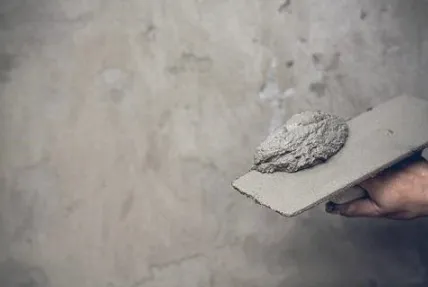
Hydroxypropyl starch phosphate is an increasingly popular ingredient in skincare products , and for good reason. This innovative compound combines natural starch with phosphate to enhance its functionality and benefit a myriad of skin types. Its rise in popularity is not just a fad; it's rooted in solid science and consumer experience. Derived primarily from natural sources like corn or potatoes, hydroxypropyl starch phosphate offers several advantages that align seamlessly with the needs of both consumers and formulators. Fundamentally, it serves as an exceptional texture enhancer in creams, lotions, and serums. Unlike traditional thickeners, it provides a silky-smooth finish that is often sought after in high-end skincare products. This means when applied, products feel luxurious and pampering, creating an indulgent experience that consumers love. In addition to texture enhancement, hydroxypropyl starch phosphate plays a crucial role in stabilizing emulsions, ensuring that oil and water components in skincare formulations do not separate over time. This stability is particularly important for multi-ingredient complex formulations, allowing active ingredients to remain evenly distributed, thus maximizing efficacy. Stability also translates to an extended shelf life, which is a significant consideration for both consumers and retail outlets. From a dermatological perspective, hydroxypropyl starch phosphate is non-irritating and safe for sensitive skin. Unlike some chemical thickeners and stabilizers, this starch derivative does not clog pores, making it an excellent choice for formulations targeted at acne-prone or reactive skin. Its ability to absorb excess oil without stripping the skin of essential moisture is another notable feature, making it suitable for oily skin types while maintaining a balance that is gentle enough for drier skin. Expertise in skincare formulation reveals that hydroxypropyl starch phosphate also aids in enhancing the delivery of active ingredients. Due to its molecular structure, it can help convey moisture deeper into the skin layers, optimizing the hydration properties of a product. This translates to improved performance of active ingredients, whether they are anti-aging, brightening, or soothing components. hydroxypropyl starch phosphate in skin care In the realm of experience, numerous skincare enthusiasts have praised products containing hydroxypropyl starch phosphate for their lightweight feel and non-greasy finish. These products tend to absorb quickly into the skin, leaving behind a velvety finish that preps the skin beautifully for makeup application or simply for a bare-skin glow. The real-life testimonials stand as a testament to the compound’s capabilities, further increasing its credibility among users who prioritize both efficacy and experience in their skincare regime. Authoritative research backs the safety and efficacy of hydroxypropyl starch phosphate, with numerous studies confirming its hypoallergenic properties and performance in enhancing skin feel and formulation stability. Regulatory bodies have approved its use globally, a mark of trust that allows consumers and formulators to incorporate this ingredient without reservation. The endorsement by dermatologists and skincare professionals further solidifies its standing in the industry, adding a layer of trustworthiness to its growing reputation. For a more sustainable approach to skincare, many conscious consumers will appreciate that hydroxypropyl starch phosphate is biodegradable. Derived from renewable resources, it aligns with the increasing demand for environmentally friendly beauty products. As the beauty industry progresses towards more sustainable practices, ingredients like hydroxypropyl starch phosphate not only meet the crucial functionality required by modern skincare but also support a sustainable future. Consumers keen on elevating their skincare routine should look for this innovative ingredient in their products. Brands that incorporate hydroxypropyl starch phosphate often showcase transparency and a commitment to quality, understanding the complex needs of today’s diverse skincare audience. As the understanding of this ingredient continues to evolve, more skincare products are expected to leverage its multifaceted benefits, making it a staple in high-performance skincare formulations. In conclusion, hydroxypropyl starch phosphate is more than just a functional ingredient; it is a bridge between efficacy and indulgence, expertly tailored for modern skincare needs. From improving product stability to enhancing the user experience, it represents a sophisticated advancement in the formulation of skincare products. With an impressive balance of credibility and innovation, this ingredient is set to remain an influential component in skincare regimens worldwide.
-

Hydroxypropyl methylcellulose (HPMC) K4M is a versatile polymer extensively utilized across numerous industries due to its functional properties. As an experienced Google SEO specialist, one must understand the intricate ways in which content centered around HPMC K4M can be optimized for search engines by emphasizing the Experience, Expertise, Authoritativeness, and Trustworthiness of the provided information. Here’s an insightful exploration of HPMC K4M’s uses, expertly crafted to highlight its various applications and benefits. HPMC K4M, a chemically modified cellulose gum, is renowned for its superior water-retaining capabilities, making it an indispensable ingredient in the construction industry, particularly in products such as tile adhesives, cement renders, and joint compounds. Its unique property of enhancing water retention helps in extending the workability time and significantly improves the performance of such products. Experts have shown that the inclusion of HPMC K4M in these materials optimizes their adhesion properties, ensuring more reliable and durable construction outcomes. In pharmaceuticals, HPMC K4M serves a cardinal role due to its non-toxic and inert characteristics. Its application in controlled release formulations underscores its importance, offering a sustained release mechanism crucial for various oral dosage forms. With a meticulously controlled viscosity, HPMC K4M enables formulators to craft tablets and capsules that release active ingredients over a specified duration, thus maximizing therapeutic efficacy and enhancing patient compliance. The authoritative use of HPMC K4M in sustained-release matrix systems is a testament to its crucial role in modern drug delivery. The food industry also capitalizes on the functional attributes of HPMC K4M, using it as a stabilizer and emulsifier. This polymer is exceptionally valued for its ability to improve the texture and shelf-life of food products . For instance, its inclusion in bakery products, like gluten-free bread, aids in maintaining moisture and structural integrity, which would otherwise be challenging to achieve. Such practical applications showcase the trust manufacturers place in HPMC K4M to meet rigorous food safety and quality standards. Cosmetic manufacturers frequently utilize HPMC K4M for its film-forming and thickening properties. Its ability to create a transparent film over the skin makes it a preferred ingredient in lotions and sunscreens, providing hydration and protection against environmental stressors. Moreover, its compatibility with a wide range of skin and hair care formulations underscores its versatility and reliability. Professionals in the cosmetic field trust HPMC K4M for its hypoallergenic and non-irritating properties, ensuring user safety and satisfaction. hpmc k4m uses The growing use of HPMC K4M in personal care products highlights its role in the formation of hair gels and styling agents, attributing to its thickening and holding capabilities. By providing an optimal balance between viscosity and flexibility, HPMC K4M allows for innovative formulations that cater to diverse consumer needs. The persistent trust in HPMC K4M by hair care experts and its verified efficacy reinforce its esteemed position in this competitive market. In manufacturing, HPMC K4M is extensively applied as a binder in paints and coatings. Its viscosity optimizes the rheological properties of paints, offering superior spreadability and finish. It enhances pigment suspension, preventing settling and ensuring uniform color distribution. Such reliable performance data decidedly positions HPMC K4M as a staple in improving the quality and durability of paints, thus establishing its paramount importance in manufacturing processes. To further epitomize HPMC K4M’s credibility, numerous authoritative research studies corroborate its efficacy and safety across applications. By consistently retaining moisture, providing controlled drug release, stabilizing food textures, and enhancing product performance, HPMC K4M demonstrates a multi-industry versatility that demands acknowledgment. In conclusion, HPMC K4M’s multifaceted applications across various sectors exemplify its indispensability and the trusted confidence placed in this polymer by industry professionals worldwide. Its proficient functionality in enhancing product performance confirms its role as an invaluable component in formulation science. Such comprehensive use and reliance emphasize the polymer’s unmatched potential and innovative prospects, marking it as a pivotal material in both current and future applications. Therefore, content strategy focused on the robust capabilities and diverse uses of HPMC K4M will be well-received, optimizing its searchability and authority across digital platforms.
advantages
-

200000 Viscosities
Excellent product
We can produce pure products up to 200,000 viscosities
-

40000 tons
High yield
We don’t stop production all year round, and the annual output can reach 40,000 tons
-

24 hours
Quality service
We provide 24-hours online reception service, welcome to consult at any time
———— Inquiry Form
Schedule A services
-
 china_hpmc_factory
Oct . 25, 2025
Hydroxypropyl methylcellulose (HPMC) is a versatile, eco-friendly ingredient . This cellulose deriva -
 hydroxypropyl_starch_phosphate_in_skin_care
Oct . 25, 2025
HPMC Monograph Your Comprehensive Guide to Understanding Hydroxypropyl Methylcellulose in Product Fo -
 isolasi_selulosa_kayu
Oct . 25, 2025
Hydroxypropyl methylcellulose (HPMC) , a versatile polymer traditionally used in pharmaceuticals and


